Find DC Cleanex Pest Control for trusted extermination services to keep your property pest-free
Find DC Cleanex Pest Control for trusted extermination services to keep your property pest-free
Blog Article
Proven Pest Management Methods: Maintain Your Home Free of Pests
Effective pest management approaches are essential for preserving a comfortable home environment. Homeowners encounter various problems from common pests, which can interrupt daily life. Identifying the indicators of pest invasion is the first step in managing these problems. While organic approaches have become increasingly popular, understanding the full spectrum of management strategies is necessary. This investigation presents significant inquiries about the equilibrium between do-it-yourself approaches and when to seek professional assistance. What strategies will prove most successful?
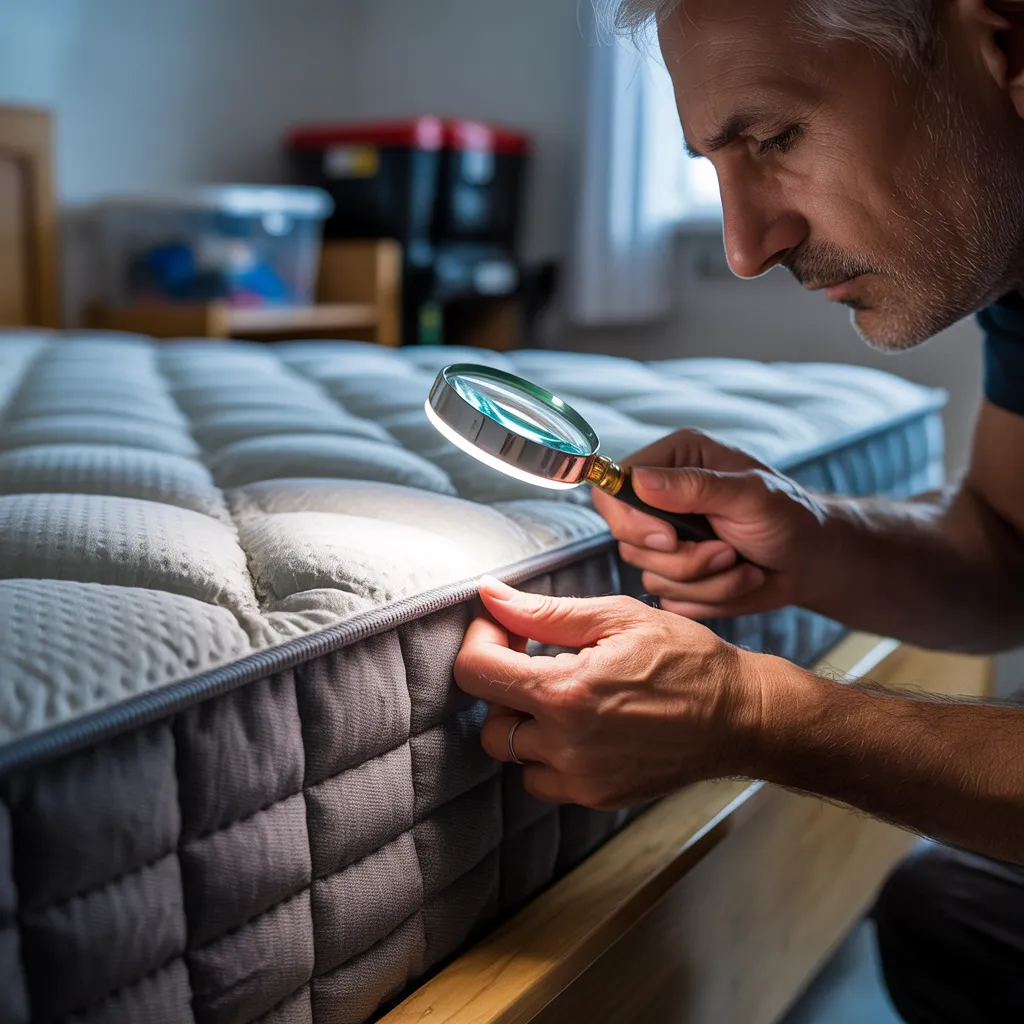
Common Domestic Pest Issues and Proven Pest Control
When residents discover intruders in their living spaces, they often look for immediate remedies for common pests. Among these insects, ants, cockroaches, and rodents are commonly found. Ants typically invade kitchens in hunt for food, while cockroaches thrive in dark, warm areas. Rodents, on the other hand, can cause damage to structures and pose health risks.
Proficient insect management initiates with identification and prevention. Homeowners are urged to close gaps and cracks, maintain cleanliness, and eliminate food sources. Bait traps assessment and insecticides can be utilized for specific infestations, though caution is advised to ensure security for children and pets. In severe cases, certified extermination specialists may be essential to introduce complete removal techniques. Grasping the nature of these pests and employing purposeful approaches encourages a healthier living environment and minimizes recurring pest invasions.
Identify Indicators of Infestation
Detecting indicators of pest troubles is essential for effective pest management. Common indicators include unusual noises, pungent odors, and visible droppings or damage to property. Recognizing these symptoms at an early stage can help prevent a minor issue from intensifying into a severe predicament.
Shared Unwanted Creature Signs
How can one recognize the quiet indicators of a infestation problem? Identifying common pest indicators is vital to enable early intervention. Small droppings, often appearing as grains of rice or coffee grounds, can point to the existence of rodents or insects. In addition, gnawed materials, like wires or wood, reveal chewing pests like termites or rats. Odd marks across furnishings or walls, with scratches or smudges, could signify insect activity. Furthermore, webbing or nests within out-of-the-way places frequently suggest outbreaks. Homeowners must be vigilant for discarded wings or shed skins, that regularly appear in certain insects. By being aware of these indicators, one may act preventively to preserve an environment without pests.
Peculiar Sounds and Odors
Rare sounds and aromas can act as key indicators of a pest infestation. Homeowners often hear scraping, running, or gnawing noises, especially during the night when pests are most active. These noises commonly point to the presence of rodents such as mice or rats that dwell in walls, attics, or basements. In addition, specific odors can hint at an infestation. A damp or strong odor might indicate a buildup of droppings or urine, while a unpleasant, rotting scent may indicate dead pests are nearby. Recognizing these hearing and olfactory signs is essential for early detection. Immediate attention to unusual sounds and smells can help homeowners respond before a small problem escalates into a larger pest issue.
Visible Droppings or Harm
damaged furnishings, or even holes in walls
Top Chemical-Free Pest Management Methods
Although numerous homeowners pursue chemical solutions for insect management, excellent organic techniques present effective alternatives that remain both eco-friendly and safe. Essential oils, like peppermint and lavender, can repel various insects due to their intense odors. Diatomaceous earth operates as a organic pesticide, dehydrating pests on contact. Furthermore, vinegar is a multipurpose tool, effectively preventing ants and spiders when applied as a spray.
Custom-made mechanisms, like filled jars for fruit flies, can also be useful. Introducing predatory insects, such as ladybugs and lacewings, helps keep down pest populations without harming the ecosystem. Moreover, regular cleaning and suitable storage methods ward off unwanted guests by eliminating attractants. Positioning herbs like basil and rosemary around the home can also operate as natural repellents. By weaving together these methods, homeowners can maintain a pest-free environment while nurturing a superior living environment.
Learning about Chemical Pest Management Options
Chemical pest control alternatives supply a array of pest control substances designed to target specific pests effectively. Understanding these assorted chemical types is fundamental for proper usage and minimizing environmental impact. Also, adhering to safety requirements is critical to guarantee the well-being of both users and surrounding ecosystems.
Varieties Of Chemical Pesticides
Pesticides play an essential role in modern agriculture and pest management, delivering a range of alternatives designed to address specific pests effectively. There are multiple types of chemical pesticides, including insecticides, which control insect populations; herbicides, which eliminate unwanted plants; and fungicides, used to combat fungal infections. Additionally, rodenticides are formulated to eliminate rodents, while nematicides concentrate on parasitic worms. Each category contains various active ingredients, allowing for customized approaches based on the pest type and infestation level. Systemic pesticides are absorbed by plants, delivering internal protection, while contact pesticides act on contact with the pest. Recognizing these classifications aids in determining the most appropriate pesticide for effective and efficient pest control.
Safety Standards To Review
When performing pest control, it is vital to focus on safety measures to minimize potential risks connected with chemical applications. Homeowners should always observe label instructions meticulously, securing proper dosage and application methods. Personal protective equipment (PPE) such as gloves, masks, and goggles is essential to shield from chemical exposure. It is advisable to hold children and pets away from treated areas until the chemicals have dried and the space has been refreshed. Additionally, storing pesticides in a protected spot can prevent accidental ingestion. Finally, considering sustainable solutions can lower health risks while still adequately handling pest problems. Implementing these precautions ensures a safer environment while conducting necessary pest control measures.
Execute DIY pest prevention techniques
Utilizing DIY pest control approaches gives homeowners the ability to handle infestations effectively and affordably. Easy solutions frequently use common household items, making them easy to use and economical. For example, a mixture of vinegar and water can discourage ants, while baking soda and sugar can attract and eliminate cockroaches.
Upholding sanitation is vital; keeping food properly sealed and rapidly cleaning spills deter pest attraction. Homeowners may also form protective barriers by sealing gaps and cracks around doors and windows. Essential oils including peppermint and tea tree oil function as organic repellents, supplying a scented alternative to chemical products.
Inspecting the home regularly for indications of pests allows timely action, deterring extensive pest issues. Bait stations and traps can be strategically placed in main pathways to survey and manage pest populations. By utilizing these DIY strategies, homeowners can keep a pest-free setting while fostering a sense of dominion and stewardship in their living spaces.
When do you need expert guidance?
Homeowners may discover that despite their best efforts with DIY pest control methods, some invasions require professional intervention. Signs indicating the need for expert help include ongoing pest problems, significant invasions, or the existence of pests that pose health risks, such as rodents or termites. If initial solutions fail to yield results, it may be time to contact professionals who possess specialized knowledge and tools.
Additionally, particular circumstances warrant urgent professional assistance. These include the identification of nests in difficult-to-access areas, potential structural harm created by pests, or when dealing with dangerous insects, like wasps. Homeowners should also consider expert assistance if they lack the time or means to manage the situation successfully. Finally, engaging a pest control expert can guarantee a thorough assessment and a planned method, offering peace of mind and a pest-free environment.
Regularly Asked Questions
How Do I Block Pests From Getting Into My Home?
To stop pests from getting into a home, one should close gaps, place protective barriers on windows, keep areas clean, keep food secured, and regularly inspect for evidence of pests. These measures greatly reduce the chance of unwanted intruders.
Can you discover any Petsafe pest control options?
Indeed, safe for pet pest management options are obtainable. Natural deterrents, aromatic oils, and devices engineered for use around pets can successfully repel insects while avoiding harming pets. Always check product labels for safety guidelines.
How Much Do Pest Control Services Expense You?
Fees associated with pest control services fluctuate significantly, typically ranging from $100 to $300 for first treatments. Ongoing maintenance plans may cost $40 to $70 monthly, based on the severity of the infestation and how frequently services are performed.
What is the timeframe of Pest Control Treatment longevity?
The length of pest control treatment typically spans from several weeks to an extended period, depending on the pest classification and the treatment method used. Periodic check-ups may be vital to keep results consistent and prevent re-infestation.
Will Critters Come Back After Treatment, and How Should I Prevent That?
Pests could return after treatment if poorly controlled. Preventive measures include sealing entry points, preserving cleanliness, and regular inspections. These actions help reduce the odds of infestation recurrence and maintain a infestation-free environment.
Report this page